
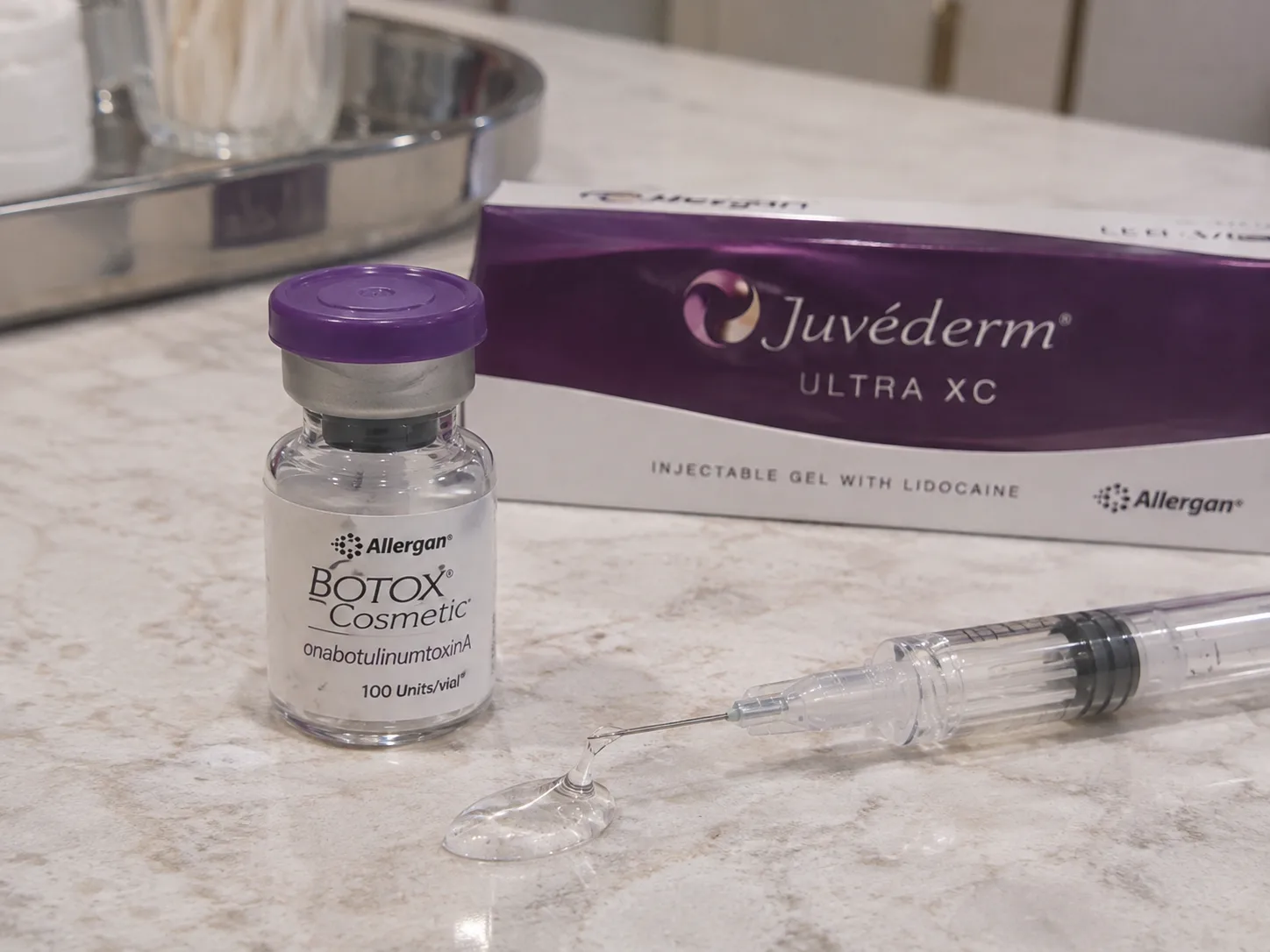
Injectable treatments such as Botox and dermal fillers can address wrinkles, restore facial volume, and enhance facial contours. However, one common concern among patients is whether these treatments can be reversed if they are unhappy with the results or experience a complication. The answer depends on the type of injectable used.
Hyaluronic Acid Fillers: Can They Be Dissolved?
Many commonly used dermal fillers are made with hyaluronic acid (HA), a substance naturally found in the body that helps maintain skin hydration and volume. One advantage of HA fillers is that they can often be dissolved using an enzyme called hyaluronidase. This enzyme breaks down hyaluronic acid and may be used to address unwanted results, asymmetry, or certain complications.
However, dissolving filler is a medical procedure that requires careful assessment. Results are not always immediate or entirely predictable, and multiple treatments may sometimes be needed. Hyaluronidase also carries a risk of allergic reaction and should only be administered by an appropriately qualified medical professional.
Importantly, suspected vascular occlusion following filler injections is a medical emergency requiring immediate assessment and treatment. Symptoms such as severe or unusual pain, skin blanching or discolouration, or visual changes should never be treated as a routine appointment for elective filler dissolution.
Are All Dermal Fillers Reversible?
Not all fillers can be dissolved with hyaluronidase. Fillers made from materials such as calcium hydroxylapatite or poly-L-lactic acid (PLLA) cannot be reversed using this enzyme. Their effects gradually diminish over time, although the duration varies by product and treatment area. Some permanent fillers may remain in the tissue for many years and can be more difficult to manage if complications arise.
What About Botox?
Botox and other neuromodulators work differently from dermal fillers. They temporarily reduce muscle activity rather than adding volume. There is no established medication that immediately reverses their effects; muscle activity gradually returns as the product wears off, typically over three to four months.
Why Your Choice of Injector Matters
Before treatment, discuss the product being used, expected duration, potential risks, and available options if you are dissatisfied with the result. A dermatologist can assess your facial anatomy, medical history, and treatment goals to help determine an appropriate approach.
Understanding what can and cannot be reversed is an important part of making an informed decision about injectable treatments.